The full encyclopedia
Every leaf, region, and tradition.
25 articles across 8 topics.
By topic
8 topics
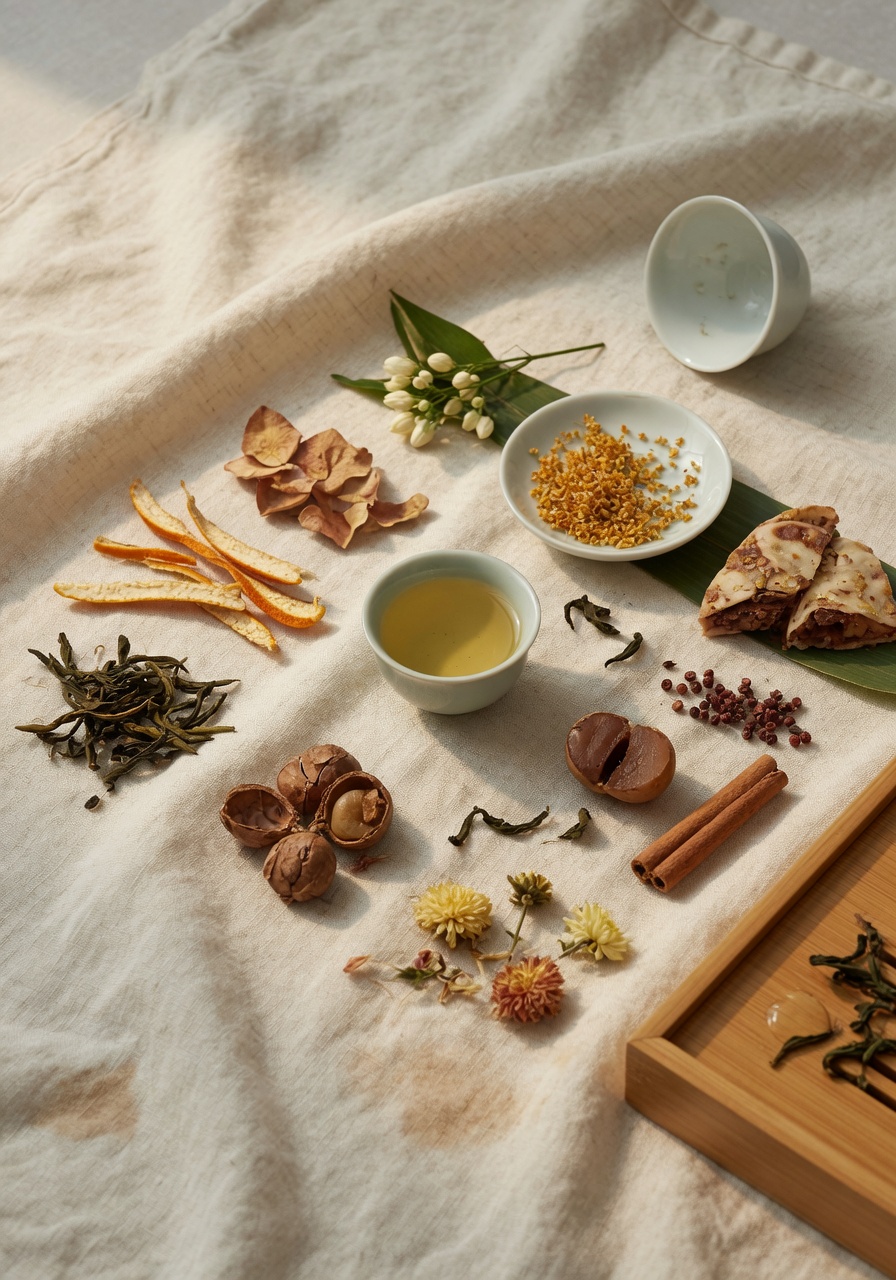
The named aromas that shape Chinese tea evaluation
5 articles
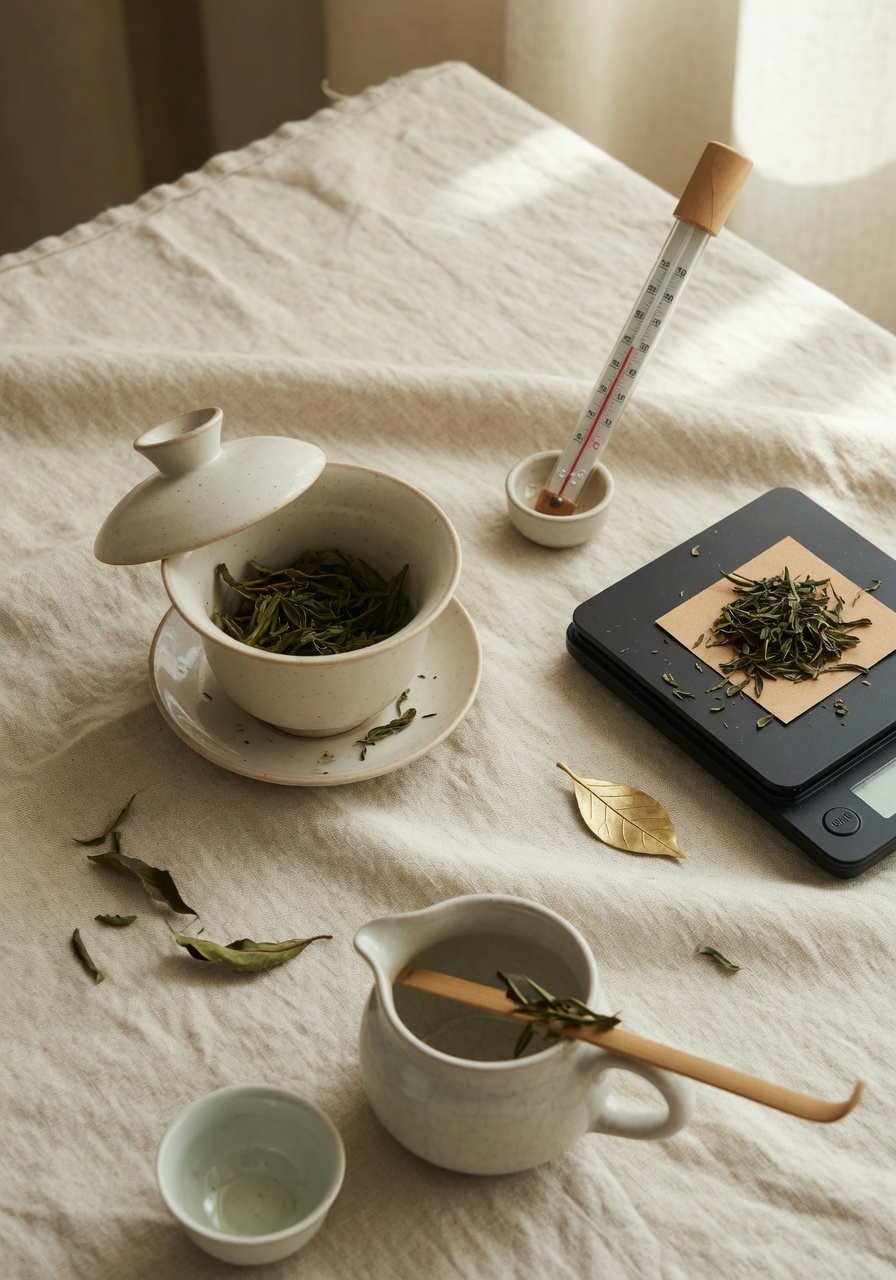
Four dials, one cup — calibrating the brew
4 articles
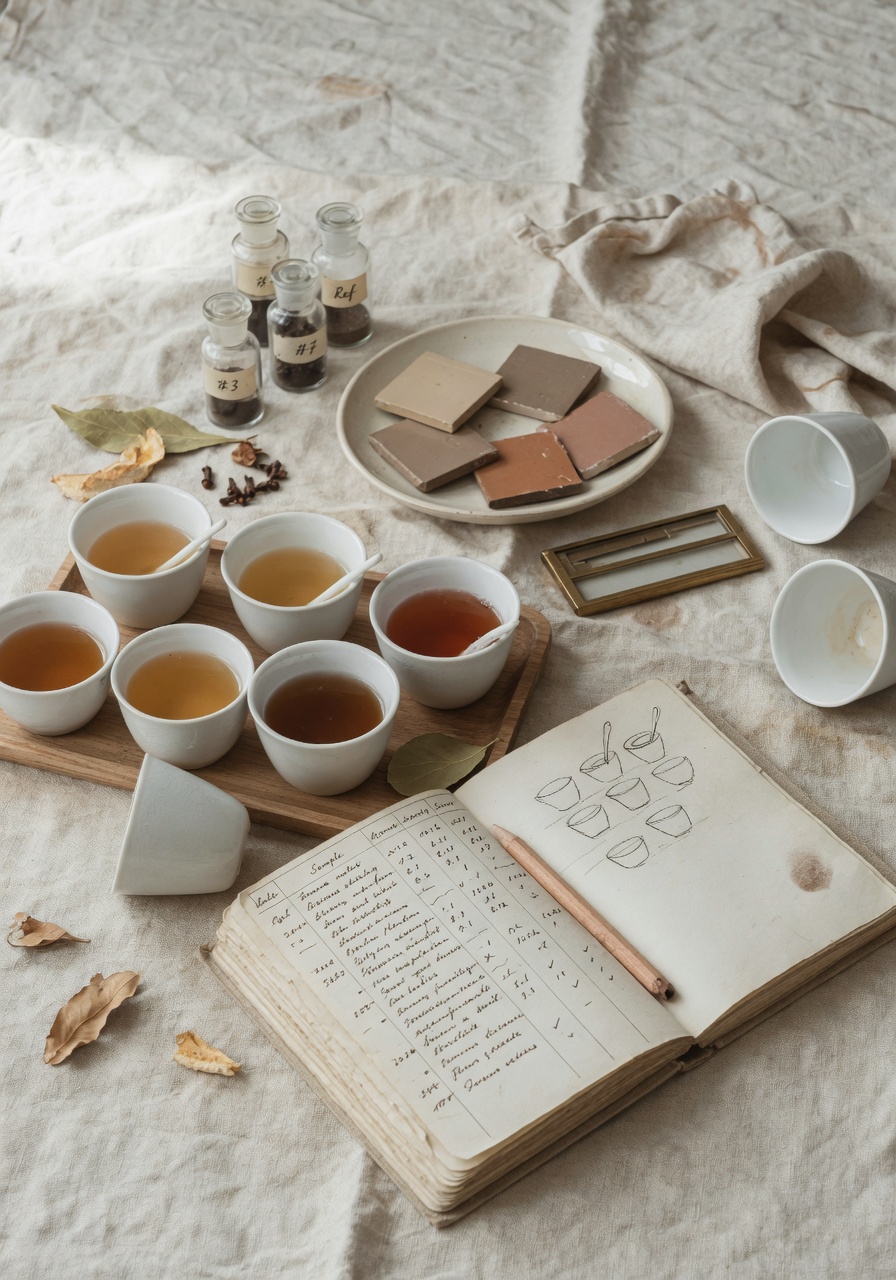
Six weeks to a standard palate
1 article
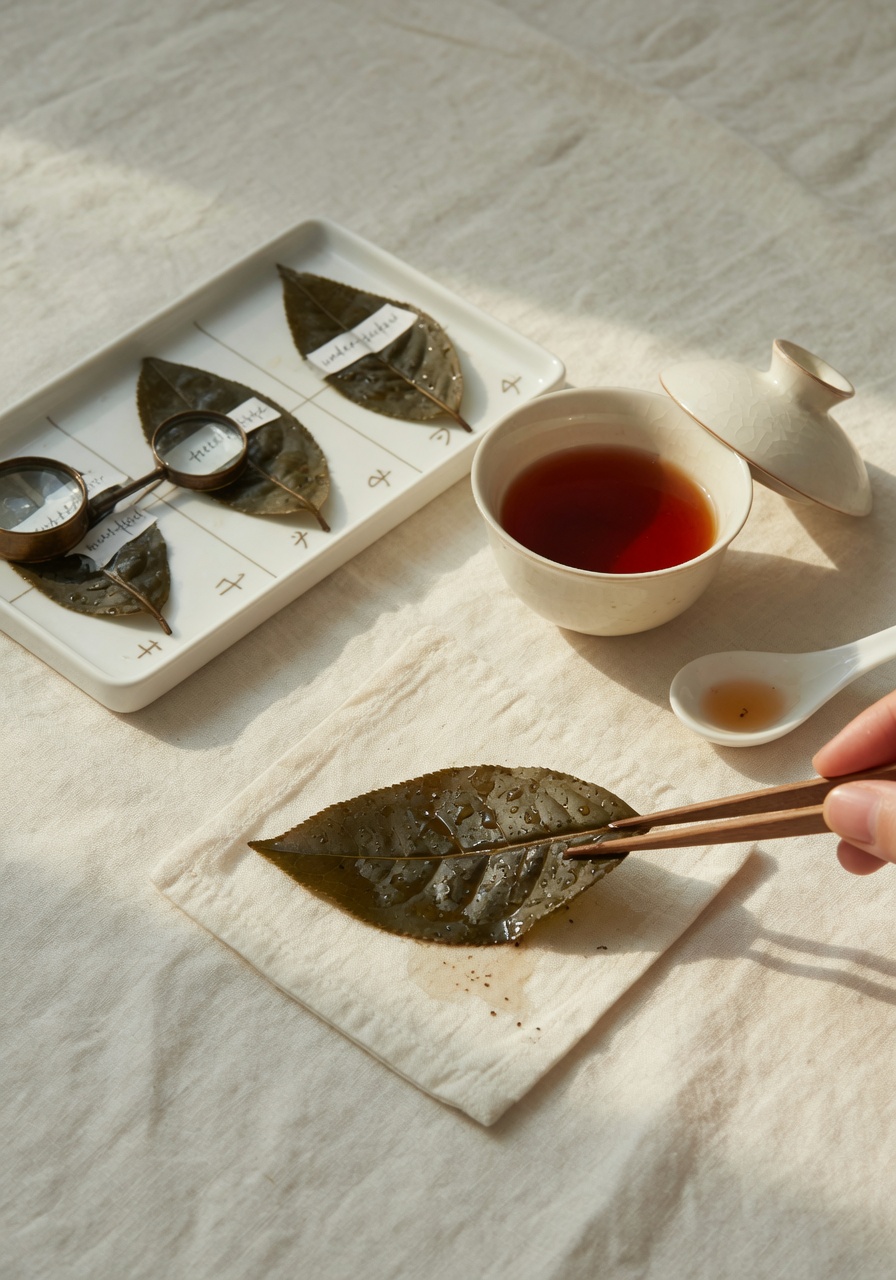
Reading the off-notes — a sommelier's defect lexicon
4 articles
The blind map — anchoring regional character
3 articles
How a cup is scored — the mathematics of tea evaluation
2 articles
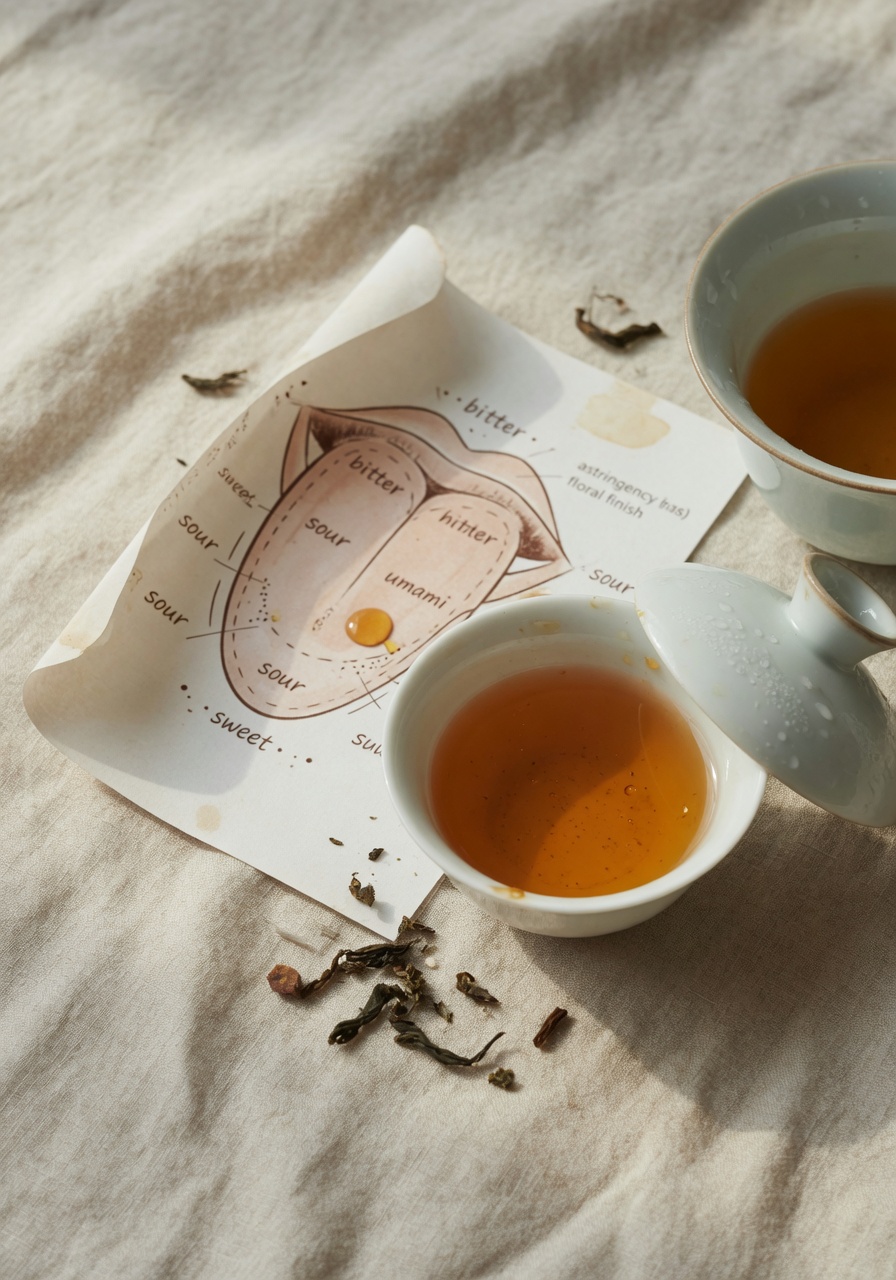
The vocabulary of mouthfeel, anchored to the cup
4 articles
The leaf after the liquor — how to read the spent leaf
2 articles
All articles
25 pieces, latest first
- — 01
100-point vs 20-point rubric — when each is right
A tea buyer faces the same question every morning: is this tea an 87 or an 89? The answer can shift a price per kilogram by hundreds of yuan. But when does that fine grain matter, and when does a simpler 20-point scale serve the taster better? We unpack the two dominant scoring rubrics in Chinese tea appraisal and show where each earns its keep.
- — 02
Astringency and mouth-feel — building a 5-point scale
Astringency is the tactile sensation that shapes a tea's architecture — not a taste, but a mouth-feel. Professional graders score it on a scale from silky absence to harsh grip. Here's how to build a calibrated 5-point scale that works across white, green, yellow, and beyond.
- — 03
Bitter without return vs bitter with return — scoring practice
In tea evaluation, bitterness is not a defect — it’s a signal. Learn to distinguish the flat, lingering bitterness that mars a session from the vibrant, transforming bitterness that presages a wave of returning sweetness (*huígān*), and master the scoring criteria used by professional graders at tea.degree.
- — 04
Body and mouth-coating — calibrating the heavyweight teas
Why some teas feel like velvet, others like water. A technical calibration of body and mouth-coating in heavyweight teas, from pu-erh to dark teas.
- — 05
Flat tea — what a flat pour tells you about the lot
A flat pour is more than a muted first impression — it is a diagnostic fingerprint of processing failure, storage neglect, or fundamental leaf weakness. This article maps the causes, sensory hallmarks, and scoring discipline needed to grade flatness on tea.degree’s 10-axis rubric, drawing on Chinese national standards.
- — 06
Floral aroma cultivars in Phoenix dancong — by named cultivar
The sensory wheel of Phoenix dancong is anchored by its named floral cultivars — each a distinct genetic lineage with a signature nose. This guide profiles seven iconic floral xiāng types, from the magnolia-deep Yùlán Xiāng to the jasmine-almond twist of Yāshǐ Xiāng, tracing their origins, volatile chemistry, and how they land on the 16‑segment wheel used at tea.degree.
- — 07
Fuding vs Zhenghe white tea — blind recognition
Two counties separated by 200 kilometres produce China's most celebrated white teas — yet their genetic, climatic and processing differences are so stark that a trained taster can distinguish them blind. This article supplies a systematic framework: leaf morphology, aroma chemistry, liquor character and mouthfeel.
- — 08
Honey aroma in aged tea — what causes it, how to score it
The warm, nectarous scent of honey in aged tea is not a simple varietal trait — it emerges from decades of biochemical transformation. This guide unpacks the science, the storage conditions, and the scoring practice that turns fleeting sweetness into a calibrated sensory note.
- — 09
Huígān — the returning sweetness, scored
The sweetness that arrives after the tea is gone is the most discussed and least defined sensation in Chinese tasting rooms. Here is how to anchor it on a 10-axis rubric.
- — 10
Leaf structure intactness — grading consistency
An intact leaf in the bottom of the gaiwan carries the story of plucking, withering, rolling, and firing. Grading intactness isn't about perfection — it's about reading how the leaf has navigated its journey, and converting that narrative into a consistent, repeatable score.
- — 11
Leaf weight and extraction — calibration tables
How a precise ratio of leaf to water — sometimes as little as a one-gram shift — can open or close an entire tea’s aromatic architecture. A calibration framework for professional tasters and serious home brewers.
- — 12
Mineral aroma in Wuyi rock teas — the yán yùn signature
How a tea can taste like a stone — the yán yùn (岩韵) signature is the defining character of Wuyi rock tea, yet it remains one of the most elusive concepts in Chinese tea evaluation. This article breaks down the geology, processing, and sensory language needed to identify, score, and calibrate the mineral aroma that sets yán chá apart.
- — 13
Musty defect — distinguishing storage fault from aged character
A musty aroma on a pu-erh cake can mean a priceless aged treasure or a ruined, unsafe tea. Learn the chemical markers, sensory cues, and calibration drills that separate storage fault from legitimate aging character.
- — 14
The official tea.academy rubric explained, criterion-by-criterion
A criterion-by-criterion tour of the 100-point sensory evaluation system that anchors tea.academy examinations and professional trade buying — from dry leaf geometry to the last echo of sweetness on the breath.
- — 15
Orchid vs longan aroma — telling them apart
Two of the most over-used descriptors in Chinese tea evaluation sit only one nuance apart. This is a field guide to keeping orchid and longan distinct in your nose, your notes, and your scoring sheet.
- — 16
Phoenix dancong vs Wuyi yancha — blind-recognition practice
Can you tell a Phoenix dancong from a Wuyi yancha blind? These two great oolong traditions, separated by 700 kilometres, can confuse even experienced tasters when the roast is deep or the floral notes overlap. This blind-recognition practice arms you with a structured framework, from geography to aftertaste, so you can anchor regional character with confidence.
- — 17
A six-week sensory calibration programme
Six weeks, six reference teas, one notebook. A structured programme to align your tasting scale to the GB/T standard — and to the cuppers who set it.
- — 18
Smoky — defect or terroir character?
Wood smoke in the cup can mean a careless drying shed, a thunderstorm that forced the producer indoors, or a four-hundred-year tradition. The cupper's job is to tell which — and to score accordingly.
- — 19
Sour defect — three common causes, how to recognise each
Sourness in tea can be a bright, mouth-watering note from natural fruit acids or a sharp, vinegar-like flaw that signals a failure in processing or storage. In the sensory framework of tea.degree, understanding the difference is essential for accurate scoring. This guide untangles the three most common origins of sour defects in Chinese tea — under-fixation in green tea, fermentation imbalance in oolongs and blacks, and humidity-driven souring in aged pu-erh — and explains how to recognise each through aroma, taste, and timing on the palate.
- — 20
Temperature curves across the six categories of Chinese tea
Water temperature is not a single number — it is a curve that bends with leaf maturity, oxidation, and the steep you are on. A working map for green, yellow, white, oolong, red and dark tea.
- — 21
Vessel effect on extraction — gaiwan vs Yixing vs glass
A gaiwan, a Yixing teapot, and a glass vessel can all brew the same leaf — but they will never brew the same tea. The thermal, physical, and chemical reasons why vessel choice is not a matter of aesthetics, but a primary extraction variable.
- — 22
Water TDS and tea character — measured calibration
Total dissolved solids shape every brew — yet many tasters overlook the one ingredient that never touches the scale. A structured calibration protocol using three water profiles reveals how minerality transforms aroma clarity, body, and lasting sweetness across all six Chinese tea categories.
- — 23
Wet-leaf colour evenness — what each pattern tells you
Colour evenness in the spent leaf is not about beauty — it is a map of processing decisions, oxidation control, and storage history. This deep reading of *yè dǐ* reveals where a tea has been and what it might become.
- — 24
Woody aroma and storage age — the scoring relationship
Understanding how storage age shapes woody notes in Chinese tea — from fresh sappy wood to antique sandalwood — and how to score this evolution using the tea.degree sensory wheel and 10-axis rubric.
- — 25
Yiwu vs Bulang sheng — blind-recognition practice
How to distinguish the soft, sweet opulence of Yiwu from the bold, bitter power of Bulang when the label is hidden. A systematic calibration drill for seasoned tasters.